News
Federal order ends solitary confinement in Charleston County juvenile facility
March 4, 2026 • Featured, News
A federal judge has put an end to the use of solitary confinement for juveniles in Charleston County and ordered an independent monitor of a facility that was subject of a lawsuit by children and their families over inhumane conditions, denial of education, and systemic abuse.
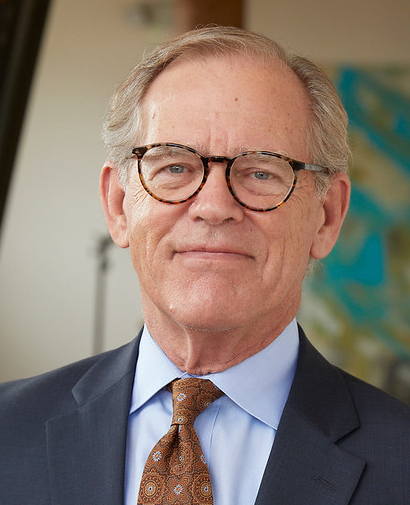
Burnette Shutt & McDaniel attorney Stuart Andrews was a legal advisor on the case. He was called upon because of his decades of work, his long-standing commitment to systemic reform, and his role as lead attorney in a lawsuit that led to reforms of the South Carolina prison system.
U.S. District Judge David C. Norton issued a consent decree earlier this month in the case involving the Charleston County Juvenile Detention Center. It implements a list of national standards aimed at reforming juvenile jails to move them toward rehabilitative practices.
The monitor will remain in place for three years if the sheriff’s office and school district meet its standards for 12 consecutive months.
The 43-page degree prohibits physical punishment and limits the use of solitary confinement to instances of immediately threatening behavior, effectively ending the frequent practice of locking children in cells for up to 22 hours a day.
Stuart’s earlier work includes a class-action suit against the South Carolina Department of Corrections. A settlement in that case resulted in the state agreeing to spend millions of dollars to improve the Department of Corrections’ mental-health programs.
The litigation lasted nearly 20 years and drew national attention to the cruelty of solitary confinement of prisoners with mental illnesses. Stuart testified before a Congressional committee about the abuses in South Carolina prisons.
Stuart remains committed to improving conditions for incarcerated individuals. As part of the Criminal Justice Civil Rights team at Burnette Shutt & McDaniel, he and others have fought for years for changes at the Richland County Alvin S. Glenn Detention Center through a class-action case in federal court scheduled to go to trial in September.
The Burnette Shutt & McDaniel team represents Disability Rights South Carolina, which also is a plaintiff in the Charleson County lawsuit, as well as detainees. The litigation has revealed inhumane horrors at the county jail attributable to understaffing and overpopulation. These include grossly unsanitary conditions, failure to protect detainees from attacks by others, excessive force by the staff, failure to provide detainees with medication, and fire-safety violations.
The Richland County jail also was the subject of a federal investigation. The U.S. Justice Department found that its conditions violated the constitutional rights of detainees.